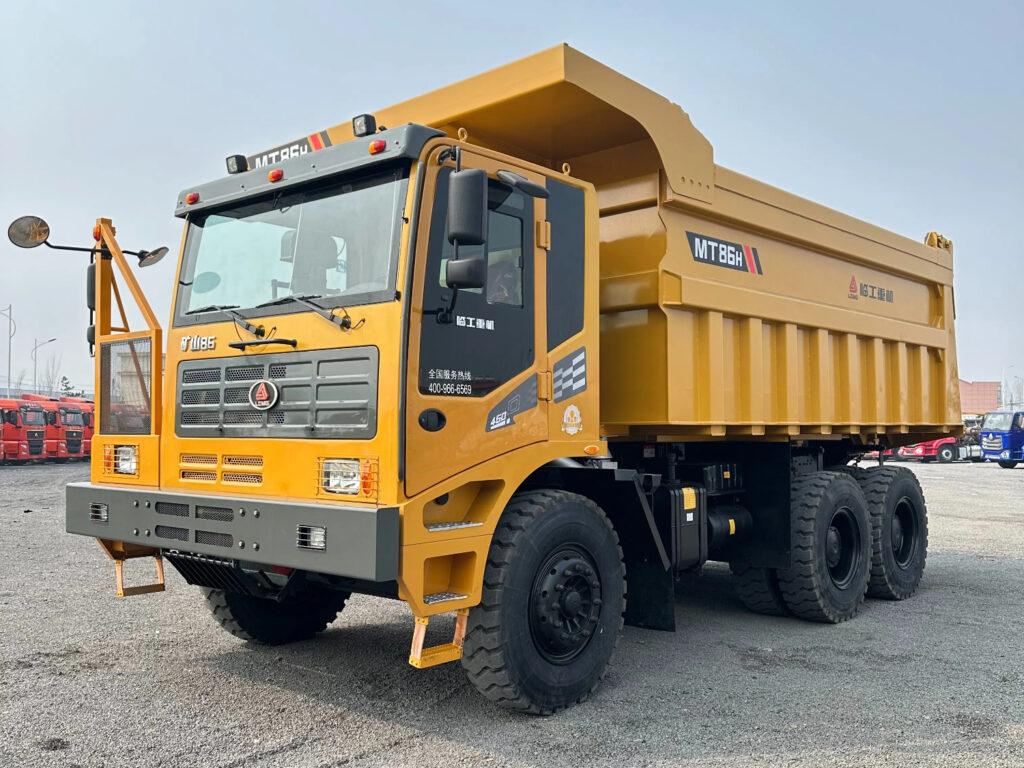
Coal-fired power plants remain a cornerstone of energy production in many regions due to their ability to generate large-scale electricity reliably. However, the successful operation of these plants depends heavily on the meticulous planning and execution of coal-fired power plant equipment installation. This process involves numerous technical, safety, and environmental considerations that must be carefully addressed to ensure efficiency, safety, and compliance with regulatory standards.
Planning and Site Assessment
The first step in coal-fired power plant equipment installation is a thorough site assessment and planning phase. This includes evaluating the terrain, soil conditions, and environmental constraints. Proper site selection is essential to prevent operational hazards and to facilitate smooth installation of heavy equipment such as boilers, turbines, and generators. Engineers and project managers must collaborate to create a detailed layout plan that specifies the placement of all major equipment components, allowing sufficient space for installation, maintenance, and safety operations.
Moreover, site planning should incorporate logistics considerations. Transporting large equipment pieces, such as coal crushers, pulverizers, and ash handling systems, requires detailed route analysis to ensure safe delivery to the site. Planning for heavy-lift cranes, scaffolding, and temporary storage areas is also crucial in the coal-fired power plant equipment installation process.
Selection of Appropriate Equipment
Selecting the right equipment is critical to the performance and longevity of a coal-fired power plant. Boilers, turbines, generators, and feedwater pumps are core components whose specifications must align with the plant’s design capacity and operational requirements. The coal-fired power plant equipment installation process requires precision engineering to accommodate specific equipment dimensions, weight, and utility connections.
Additionally, auxiliary systems such as flue gas desulfurization units, electrostatic precipitators, and cooling systems must be selected based on environmental regulations and emission control standards. Choosing the right equipment ensures that the plant operates efficiently while minimizing emissions and adhering to national and international environmental protocols.
Structural Support and Foundations
A significant consideration in coal-fired power plant equipment installation is the design and construction of foundations. Heavy equipment such as boilers, turbines, and generators require robust concrete foundations capable of bearing enormous loads and withstanding operational vibrations. Engineers must calculate the load distribution and employ reinforced concrete or steel structures where necessary.
Proper alignment and leveling during installation are also critical. Misalignment of turbines or generators can lead to excessive wear, reduced efficiency, and increased maintenance costs. Therefore, precise surveying and alignment techniques, including laser-guided instruments and geotechnical assessments, are employed to ensure accurate installation.
Safety Measures and Compliance
Safety is paramount during coal-fired power plant equipment installation. The process involves working with heavy machinery, high-voltage electrical systems, and potentially hazardous materials. Establishing stringent safety protocols, including the use of personal protective equipment (PPE), fall protection systems, and fire safety measures, is essential to prevent accidents.
Compliance with regulatory standards, such as occupational safety and environmental protection guidelines, is another critical aspect. Inspections and audits should be scheduled at various stages of the coal-fired power plant equipment installation to ensure that all procedures meet national safety and environmental regulations.
Integration of Mechanical and Electrical Systems
Coal-fired power plants are complex systems where mechanical and electrical components must work in harmony. The installation process includes integrating turbines, generators, boilers, and auxiliary systems with control panels, sensors, and power distribution networks. Coordination between mechanical engineers, electrical engineers, and instrumentation specialists is vital to achieve seamless operation.
Proper cabling, grounding, and insulation practices must be followed to prevent electrical faults. Instrumentation and control systems, including SCADA (Supervisory Control and Data Acquisition) systems, must be correctly installed to monitor plant performance, automate processes, and ensure safety. The integration of these systems during coal-fired power plant equipment installation significantly affects operational efficiency and reliability.
Environmental and Emission Control Considerations
Modern coal-fired power plants must meet strict environmental standards, making emission control a key consideration during equipment installation. Installing systems such as electrostatic precipitators, scrubbers, and bag filters requires careful planning to ensure proper airflow, space allocation, and operational efficiency. Incorrect installation can lead to system inefficiencies, increased pollutant emissions, and non-compliance with environmental regulations.
Additionally, waste handling systems for coal ash, slag, and other byproducts must be installed to minimize environmental impact. Proper storage, transportation, and disposal of these materials are integral to sustainable coal-fired power plant operation.
Commissioning and Testing
Once the coal-fired power plant equipment installation is complete, the commissioning phase begins. This includes rigorous testing of all equipment components to verify proper operation and integration. Mechanical systems are checked for alignment, vibration, and pressure performance, while electrical systems undergo insulation resistance testing, functional checks, and protective relay testing.
Commissioning ensures that the plant operates according to design specifications, allowing for smooth startup and minimizing the risk of operational issues. Regular monitoring during the initial operational phase helps identify any installation errors and allows for corrective actions before the plant reaches full load operation.
Maintenance Planning
Effective coal-fired power plant equipment installation considers long-term maintenance requirements. Accessibility to critical components, availability of spare parts, and ease of maintenance are essential factors during the installation process. Proper installation facilitates routine inspections, preventive maintenance, and timely replacement of worn-out parts, ultimately extending the life of the plant and ensuring continuous, reliable power generation.
Conclusion
Coal-fired power plant equipment installation is a complex process that requires careful planning, precision engineering, and strict adherence to safety and environmental standards. From site assessment and equipment selection to system integration, commissioning, and maintenance planning, every step plays a critical role in ensuring plant efficiency and longevity. By addressing these essential considerations, plant operators can achieve reliable, safe, and environmentally responsible energy production, maintaining coal-fired power plants as a vital component of the global energy mix.