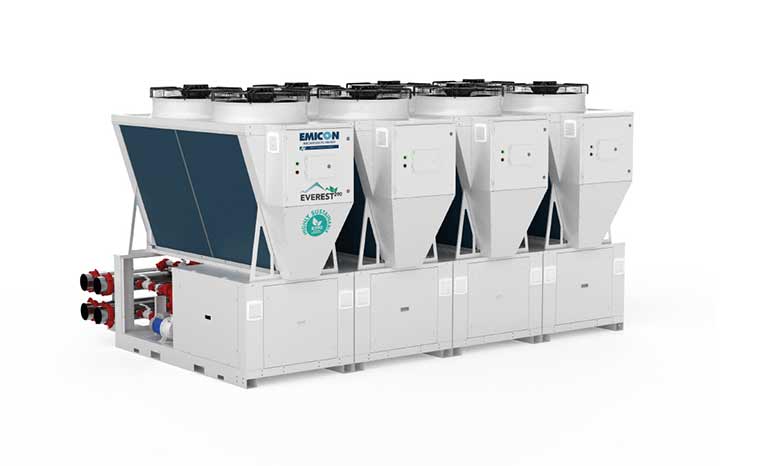

In modern industrial and commercial facilities, energy efficiency is more than just a cost-saving measure—it’s a strategic advantage. One technology gaining significant attention for its performance and sustainability benefits is propane chillers. By leveraging propane as a refrigerant, these systems provide an eco-friendly and efficient cooling solution that can transform facility operations.
Benefits of Using Propane Chillers
Propane chillers offer several advantages compared to conventional cooling systems. First, propane (also known as R-290) has a very low global warming potential (GWP), making it an environmentally responsible choice. Unlike traditional refrigerants that contribute to climate change, propane reduces your facility’s carbon footprint without sacrificing cooling performance.
Another key benefit is energy efficiency. Propane chillers operate with high thermodynamic efficiency, which means they require less electricity to achieve the same cooling output. This efficiency translates directly into lower energy bills and reduced operational costs. Facilities with large cooling loads, such as manufacturing plants or data centers, can see substantial savings over time.
Enhancing System Reliability and Longevity
Using propane chillers also improves system reliability. These chillers are designed with robust components that can handle variable loads while maintaining consistent performance. Unlike some older refrigeration systems prone to breakdowns, propane chillers often require less maintenance and experience fewer operational interruptions. This reliability ensures that production processes or climate-sensitive environments are not compromised.
Additionally, propane’s natural thermodynamic properties allow chillers to operate efficiently even in challenging conditions. Whether it’s extreme heat or fluctuating load demands, propane chillers maintain stable cooling performance, contributing to the overall efficiency of your facility.
Sustainability and Regulatory Advantages
Environmental compliance is increasingly important for facility managers. Propane chillers use a refrigerant that is both non-ozone depleting and environmentally friendly, helping companies meet regulatory standards and sustainability goals. Switching to propane chillers can enhance your facility’s green credentials and support corporate social responsibility initiatives.
Moreover, the industry trend toward low-GWP refrigerants is expected to accelerate. Investing in propane chillers positions your facility ahead of regulatory changes, reducing the risk of future retrofits and associated costs.
Integration and Application Flexibility
Propane chillers are versatile and can be integrated into various applications, from industrial process cooling to commercial air conditioning. Their compact design and modular capabilities allow them to fit seamlessly into existing facility layouts. Additionally, propane chillers can work in tandem with other energy-saving technologies, such as heat recovery systems, further enhancing overall operational efficiency.
Facilities that adopt propane chillers often experience improved performance, reduced energy consumption, and a smaller environmental footprint—all while maintaining optimal comfort and process control.
Conclusion
Incorporating propane chillers into your facility’s cooling strategy is a smart move for both efficiency and sustainability. Their high energy efficiency, reliability, regulatory compliance, and environmental benefits make them an ideal solution for modern operations. By investing in propane chillers, facilities can lower costs, reduce environmental impact, and ensure consistent performance for years to come.
If you want to optimize your facility’s operations while supporting sustainability, propane chillers provide a reliable and forward-thinking choice.
