Understanding Laser Scar Removal and How It Works
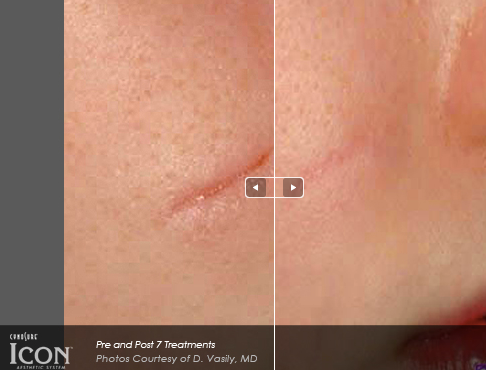
Laser Scar Removal is one of the most advanced dermatological treatments used to improve the appearance of scars caused by acne, injuries, surgeries, or burns. Dermatologists rely on controlled laser energy to target damaged skin layers, stimulate collagen production, and encourage the growth of new, healthy skin.
The procedure works by delivering focused light beams into the skin. These beams either remove the outer damaged layer or heat the underlying skin tissue to trigger a natural healing response. Over time, this process helps reduce scar visibility, smooth uneven texture, and improve overall skin tone.
There are different types of lasers used in Laser Scar Removal, including ablative and non-ablative lasers. Ablative lasers remove thin layers of skin, making them more intense but highly effective for deeper scars. Non-ablative lasers work beneath the skin surface without removing layers, offering a gentler approach with minimal downtime.
Types of Scars That Respond to Laser Scar Removal
Dermatologists explain that not all scars respond equally to Laser Scar Removal, but many common types show significant improvement.
Atrophic scars, often caused by acne, are among the most treatable. These scars appear as depressions in the skin and benefit from collagen stimulation that fills and smooths the surface.
Hypertrophic scars, which are raised and thick, can also be reduced in size and redness through controlled laser treatment. In some cases, keloid scars may require combined therapy, as they are more resistant.
Surgical scars and injury scars typically respond well when treated early. The skin becomes more flexible, less discolored, and visually less noticeable after multiple Laser Scar Removal sessions.
What Dermatologists Want You to Know Before Treatment
Dermatologists emphasize that Laser Scar Removal is not a one-time solution. Multiple sessions are usually required depending on scar depth, skin type, and laser technology used.
They also highlight the importance of realistic expectations. While Laser Scar Removal can significantly improve appearance, it may not completely erase scars. The goal is improvement, not perfection.
Skin type plays a crucial role in treatment planning. People with darker skin tones require more careful laser selection to avoid pigmentation changes. A dermatologist will assess your skin and customize the treatment to minimize risks.
Another key point is sun protection. Dermatologists strongly advise avoiding sun exposure before and after Laser Scar Removal sessions, as treated skin becomes more sensitive to UV damage.
The Step-by-Step Laser Scar Removal Procedure
The process begins with a consultation where the dermatologist evaluates the scar type, skin condition, and medical history. A personalized plan for Laser Scar Removal is then created.
On the day of the procedure, the skin is cleansed and a numbing cream may be applied to reduce discomfort. Protective eyewear is provided to shield the eyes from laser light.
During treatment, the dermatologist moves the laser device over the targeted area. Patients often describe the sensation as mild heat or a snapping feeling on the skin. The session duration depends on the size of the treatment area, usually ranging from a few minutes to an hour.
After the procedure, the skin may appear red, swollen, or slightly sensitive. This is a normal response indicating that the healing process has begun. Dermatologists provide aftercare instructions to ensure optimal recovery.
Recovery and Aftercare for Laser Scar Removal
Healing time varies depending on the intensity of the Laser Scar Removal procedure. Ablative treatments typically require one to two weeks of recovery, while non-ablative treatments may have minimal downtime.
Patients are advised to keep the skin moisturized and avoid harsh skincare products during the healing phase. Sunscreen is essential to protect newly treated skin and prevent pigmentation issues.
It is also important to avoid picking or scratching the treated area. Dermatologists stress that proper aftercare directly influences the final results of Laser Scar Removal.
Some mild side effects such as redness, swelling, or temporary darkening of the skin may occur, but these usually resolve naturally within days or weeks.
Benefits of Laser Scar Removal Treatments
Laser Scar Removal offers several benefits beyond cosmetic improvement. One of the most significant advantages is skin texture enhancement. The skin becomes smoother and more even over time.
Another benefit is long-term collagen stimulation. As collagen production increases, the skin continues to improve even after the treatment sessions are completed.
Laser treatments are also highly precise. Dermatologists can target specific scar areas without affecting surrounding healthy skin, making the procedure efficient and controlled.
Additionally, Laser Scar Removal is a minimally invasive option compared to surgical scar revision, offering visible results without major downtime or invasive procedures.
Risks and Limitations to Consider
Although Laser Scar Removal is generally safe when performed by qualified dermatologists, there are some risks to consider. Temporary redness, swelling, and changes in skin pigmentation are possible.
In rare cases, improper laser use may lead to burns or prolonged discoloration. This is why choosing an experienced dermatologist is essential for safe outcomes.
Another limitation is that very deep or old scars may require combination treatments, including microneedling or fillers, alongside Laser Scar Removal for optimal results.
Who Is a Good Candidate for Laser Scar Removal
Ideal candidates for Laser Scar Removal are individuals with healthy skin who want to improve the appearance of scars without undergoing surgery.
People with acne scars, surgical scars, or injury-related scars often see the best results. However, those with active skin infections, certain medical conditions, or very sensitive skin may need alternative treatments.
A dermatologist will always perform a detailed assessment to determine suitability before starting Laser Scar Removal.
Final Thoughts on Laser Scar Removal Procedures
Laser Scar Removal has become a trusted solution in modern dermatology for improving scar appearance and restoring skin confidence. With advanced laser technologies and personalized treatment plans, patients can achieve noticeable improvements in skin texture and tone.
Dermatologists continue to refine Laser Scar Removal techniques to make treatments safer, more effective, and suitable for a wider range of skin types. While results vary from person to person, the procedure remains one of the most reliable methods for long-term scar improvement when combined with proper care and realistic expectations.